
Port of Miami Presents:
Cruise Smart Miami
Episode 4: Accessibility at the Port of Miami
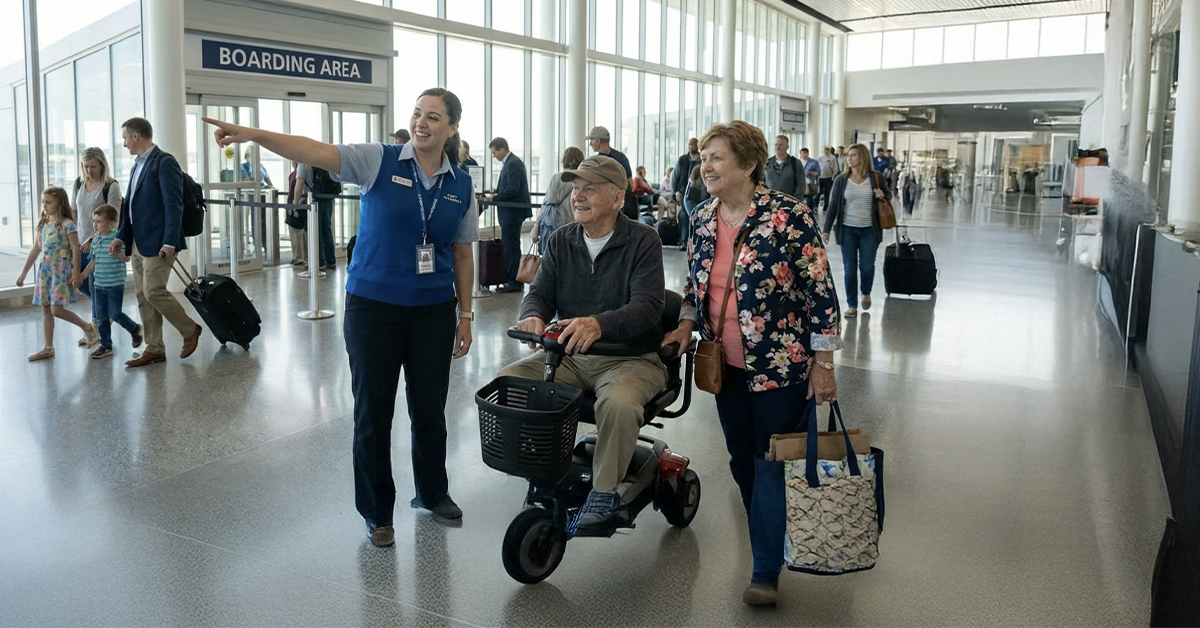
Episode 4: Accessibility at the Port of Miami
Transcript
Welcome to Cruise Smart Miami, presented by The Port of Miami and Visit Florida Guide, where we Connect Destinations with Visitors. In today’s episode, we’re focusing on accessibility at the Port of Miami and how travelers with mobility needs, medical considerations, or special accommodations can prepare for a smooth and supported cruise experience.
Before we explore the details, here are today’s key focus points:
- The Port of Miami provides ADA‑compliant facilities, including accessible terminals, ramps, elevators, and restrooms.
- Wheelchair assistance and mobility support are available through both the port and individual cruise lines, with advance coordination recommended.
- Accessible parking, drop‑off zones, and transportation options are clearly marked and easy to navigate.
- Travelers with accessibility needs can ensure a smoother experience by communicating with their cruise line before arrival.
Let’s take a deeper look at each of these.
Let’s start with ADA‑compliant facilities at the Port of Miami.
The Port of Miami is designed to welcome travelers of all abilities, and accessibility is built into every part of the port’s infrastructure. Each cruise terminal includes ADA‑compliant entrances, ramps, elevators, and restrooms. These features aren’t add‑ons—they’re integrated into the port’s design to ensure every traveler can move comfortably and confidently through the embarkation process.
Walkways throughout the port are wide, smooth, and clearly marked. Elevators are positioned near main entry points, and signage is designed to be easy to read and follow. Whether you’re using a wheelchair, a mobility scooter, a walker, or simply need additional time to navigate the terminal, the port’s layout supports your needs.
Outdoor areas are equally accessible. Sidewalks, crosswalks, and curb ramps accommodate mobility devices and ensure safe, unobstructed movement from drop‑off to check‑in. The port’s commitment to accessibility extends to lighting, seating areas, and waiting zones—each designed to support travelers who may need rest or additional assistance.
Inside the terminals, restrooms include accessible stalls, grab bars, and wide entryways. Seating areas are arranged to allow space for mobility devices, and staff are trained to assist travelers who may need help navigating the terminal or locating services.
The Port of Miami’s accessibility features reflect a broader commitment to ensuring that every traveler—regardless of mobility level—can enjoy a safe, comfortable, and dignified embarkation experience.
Now, let’s talk about wheelchair assistance and mobility support.
Wheelchair assistance is available at the Port of Miami, but it’s typically coordinated through your cruise line rather than the port directly. That means the most important step is to request assistance in advance—ideally when you book your cruise or at least several days before departure.
When you arrive at the terminal, cruise line staff will meet you at the entrance and guide you through the entire process. They’ll help you check in, navigate security screening, and escort you directly onto the ship. This service is especially helpful for travelers who may have difficulty standing for long periods or walking long distances.
The same support is available when you return from your cruise. Staff can meet you at the gangway, assist you through customs and baggage claim, and help you reach your transportation or pick‑up area. This continuity of care ensures your experience is smooth from start to finish.
If you use a mobility scooter or power chair, your cruise line can also provide guidance on battery requirements, storage, and onboard accessibility. Many cruise ships are designed with accessible staterooms, wider hallways, and elevators that accommodate mobility devices. Planning ahead ensures that everything is ready when you arrive and that your equipment is handled safely.
For travelers with medical needs—such as oxygen equipment, refrigerated medication, or specialized devices—cruise lines can provide instructions on documentation, storage, and onboard procedures. The Port of Miami is well‑equipped to support these needs, but advance coordination ensures a seamless experience.
Next, let’s look at accessible parking, drop‑off zones, and transportation.
The Port of Miami offers designated accessible parking spaces in each of its official parking garages. These spaces are located close to elevators and terminal entrances, making it easier for travelers with mobility needs to reach check‑in without long walks or steep inclines. Parking garages are well‑lit, clearly marked, and monitored for safety.
If you’re being dropped off, each terminal has clearly marked accessibility lanes where vehicles can stop briefly to unload passengers and mobility equipment. These lanes are designed to reduce congestion and provide a safe, convenient space for travelers who need extra time or assistance.
Rideshare services, taxis, and shuttles also have designated areas that accommodate travelers with mobility needs. Many transportation providers offer accessible vehicles, but it’s best to arrange these options in advance to ensure availability. If you’re arriving from Miami International Airport, accessible shuttles and private transportation services can take you directly to your terminal.
The port’s traffic flow is designed to keep accessible lanes clear and easy to navigate, even during peak embarkation times. Staff are stationed throughout the area to assist travelers, direct traffic, and ensure that accessibility zones remain open and functional.
Finally, let’s talk about preparing for a smooth experience.
The most important step travelers with accessibility needs can take is to communicate with their cruise line before arrival. Cruise lines can arrange wheelchair assistance, provide information about accessible staterooms, and help coordinate any medical or mobility equipment you may be bringing onboard.
If you require oxygen equipment, refrigerated medication, or other medical support, your cruise line can guide you through the proper procedures and documentation. Some items may require advance approval or specific handling instructions, and planning ahead ensures that everything is ready when you arrive.
It’s also helpful to review your cruise line’s accessibility resources online. Many cruise lines offer detailed guides, including d eck plans that highlight accessible routes, dining areas, theaters, and pool lifts. Knowing what to expect onboard can make your entire trip more comfortable and enjoyable.
For travelers with sensory needs, cruise lines may offer quiet boarding times, sensory‑friendly spaces, or additional support during check‑in. Again, communication is key—letting your cruise line know your needs ensures they can provide the right accommodations.
This episode is all about reassurance: the Port of Miami is designed to welcome every traveler, and with a little preparation, your embarkation day can be smooth, comfortable, and stress free.
Thank you for joining us for Episode 4 of Cruise Smart Miami. In our next episode, we’ll walk through safety, security, and boarding procedures, so you know exactly what to expect before stepping onto your ship.
To learn more about planning your Florida adventures, visit VisitFloridaGuide.com.
Cruise Smart Miami: Accessibility and Special Assistance at the Port of Miami
The Port of Miami welcomes millions of travelers every year, and many of them rely on accessibility services, mobility support, or special assistance to navigate embarkation day comfortably. Whether you use a wheelchair, travel with medical equipment, or simply need a little extra time, the port and cruise lines work together to make the experience smooth, safe, and stress free.
This guide walks you through the accessibility features, services, and support available from curbside to check in so you can arrive confident and prepared.
Key Focus Points
- All cruise terminals at the Port of Miami are ADA compliant, offering ramps, elevators, wide walkways, and accessible restrooms.
- Wheelchair assistance is available from curbside through check in and can be requested in advance or at the terminal.
- Mobility equipment such as scooters and wheelchairs can be rented through third party companies and delivered directly to the ship.
- Accessible parking spaces are located close to terminal entrances in all port garages and lots.
- Service animals are welcome throughout the port, with designated relief areas available near terminal entrances.
- Cruise lines offer visual, hearing, and mobility accommodations when requested ahead of time.
- Medical devices such as CPAP machines and oxygen concentrators are permitted with advance notice.
- Many hotel, airport, and rental car shuttles offer accessible vehicles when arranged in advance.
ADA Compliant Terminals Designed for Easy Movement
Every cruise terminal at the Port of Miami is built with accessibility in mind. Wide walkways, ramps, elevators, and accessible restrooms ensure that travelers with mobility needs can move comfortably from curbside to check in.
Terminal staff are trained to assist guests who need extra support, and signage throughout the port is clear and easy to follow. Whether you are using a wheelchair, walker, scooter, or simply prefer fewer stairs, the port’s layout makes navigation straightforward.
Wheelchair Assistance From Curbside to Check In
If you need help getting from the drop off area to the check in counter, wheelchair assistance is available at every terminal. Cruise lines coordinate this service, and trained staff members guide you through security and check in at a comfortable pace.
You can request wheelchair assistance in advance through your cruise line or ask for it upon arrival. During peak boarding times, advance notice helps ensure faster service, but same day requests are always accommodated.
This option is especially helpful for travelers who have difficulty standing for long periods or who prefer a supported boarding experience.
Mobility Equipment Rentals Delivered to Your Ship
Travelers who need scooters, wheelchairs, walkers, or other mobility devices can rent equipment through third party companies that serve the Port of Miami. These companies deliver equipment directly to your stateroom on embarkation day and pick it up at the end of your cruise.
This service is ideal for guests who do not want to travel with their own equipment or who need temporary mobility support during their vacation.
Accessible Parking Close to Terminal Entrances
If you are driving to the port, accessible parking spaces are available in all port garages and surface lots. These spaces are located close to terminal entrances for easy access.
Standard parking rates apply, and spaces are available on a first come, first served basis. Port staff can assist with unloading mobility devices or luggage if needed.
Service Animals and Relief Areas
Service animals are welcome throughout the Port of Miami and onboard cruise ships. Designated relief areas are located near terminal entrances, and staff can direct you to the nearest location.
Service animals may undergo a brief inspection during security screening, but the process is quick and designed to minimize stress for both the animal and the traveler.
Visual, Hearing, and Medical Accommodations
Cruise lines offer a wide range of accessibility accommodations, including:
- Assistive listening devices
- Visual aids and large print materials
- Accessible staterooms with roll in showers
- TTY devices upon request
- Support for guests with cognitive or developmental needs
Medical devices such as CPAP machines, oxygen concentrators, and refrigerated medications are permitted with advance notice. Cruise lines can also provide extension cords or distilled water if requested ahead of time.
Accessible Shuttles From Hotels, Airports, and Rental Car Centers
Many transportation providers offer accessible vehicles when arranged in advance. This includes:
- Hotel shuttles
- Airport shuttles
- Private transportation services
- Rental car center shuttles
If you require a wheelchair accessible vehicle, it is best to request it when booking your transportation to ensure availability.
A Comfortable, Supported Start to Your Cruise
The Port of Miami is committed to making embarkation day smooth and accessible for every traveler. By planning ahead, requesting assistance early, and knowing what services are available, you can begin your cruise with confidence and comfort.
Whether you need mobility support, medical accommodations, or simply a little extra time, the port and cruise lines are ready to help you start your vacation with ease.
MD Natural Care
Synerjis Adaptogen Pathway:

Travel Smart Supplements
Cruise Smart Miami Podcast series includes the following episodes:
- Introduction: Welcome to the Cruise Capital of the World
- Episode 1: Do’s and Don’ts for a Smooth Port Experience
- Episode 2: Transportation Options from Miami International Airport
- Episode 3: Parking, Drop‑Off, and Transportation Options
- Episode 4: Accessibility at the Port of Miami
- Episode 5: Safety, Security, and Boarding Procedures
- Episode 6: Disembarkation: What to Expect When Your Cruise Returns to Miami
- Episode 7: Pre‑ and Post‑Cruise Experiences in Miami
- Episode 8: About the Port of Miami