
Port of Miami Presents:
Cruise Smart Miami
Episode 6: What to Expect When Your Cruise Returns to Miami
Episode 6: What to Expect When Your Cruise Returns to Miami
Transcript
Welcome to Cruise Smart Miami, presented by The Port of Miami and Visit Florida Guide, where we Connect Destinations with Visitors. In today’s episode, we’re focusing on what happens at the end of your cruise—specifically, how disembarkation works at the Port of Miami, what steps you’ll go through, and how to make your return to shore smooth and stress free.
Before we begin, here are today’s key focus points:
- Disembarkation is a structured, step by step process designed to move thousands of passengers safely and efficiently.
- Travelers can choose between self‑assist disembarkation or traditional luggage collection.
- Customs and Border Protection screening is required for all passengers returning to Miami.
- Planning your transportation ahead of time makes your return to the port much easier.
Let’s walk through each of these in detail.
Let’s start with understanding the disembarkation process.
Disembarkation is the final stage of your cruise journey, and while it can feel busy, it’s designed to be orderly and predictable. Cruise lines coordinate closely with the Port of Miami and U.S. Customs and Border Protection to ensure that passengers exit the ship safely and efficiently.
The process typically begins early in the morning on the final day of your cruise. Announcements will guide you through each step, and crew members are stationed throughout the ship to assist and answer questions. While the exact timing varies by cruise line and itinerary, most ships begin disembarkation between 7:00 and 8:00 a.m.
The key to a smooth experience is preparation, knowing which disembarkation option you’ve chosen, having your documents ready, and understanding the flow from ship to terminal.
Now, let’s talk about self‑assist versus traditional luggage collection.
Cruise lines generally offer two options for disembarkation, and each one works well depending on your schedule and comfort level.
Self‑assist is ideal for travelers who prefer to leave the ship early or who have morning flights. With this option, you keep all your luggage with you and carry it off the ship yourself. Because you’re not waiting for your bags to be sorted and delivered to the terminal, you’re typically among the first groups allowed to disembark.
This option works best if you’re comfortable handling your own luggage and don’t mind navigating elevators or stairs with your bags. It’s a popular choice for experienced cruisers and travelers with tight schedules.
If you prefer a more relaxed morning, traditional luggage collection may be the better option. The night before your cruise ends, you’ll place your checked luggage outside your stateroom with color‑coded tags provided by the cruise line. Crew members collect the bags, sort them by group, and transport them to the terminal.
The next morning, you’ll wait for your group to be called, then disembark and retrieve your luggage in the terminal. This option is ideal for travelers who want a slower pace or who have larger bags that are difficult to carry.
Both options are designed to be efficient, and cruise line staff are available to help if you have questions or need assistance.
Next, let’s walk through Customs and Border Protection screening.
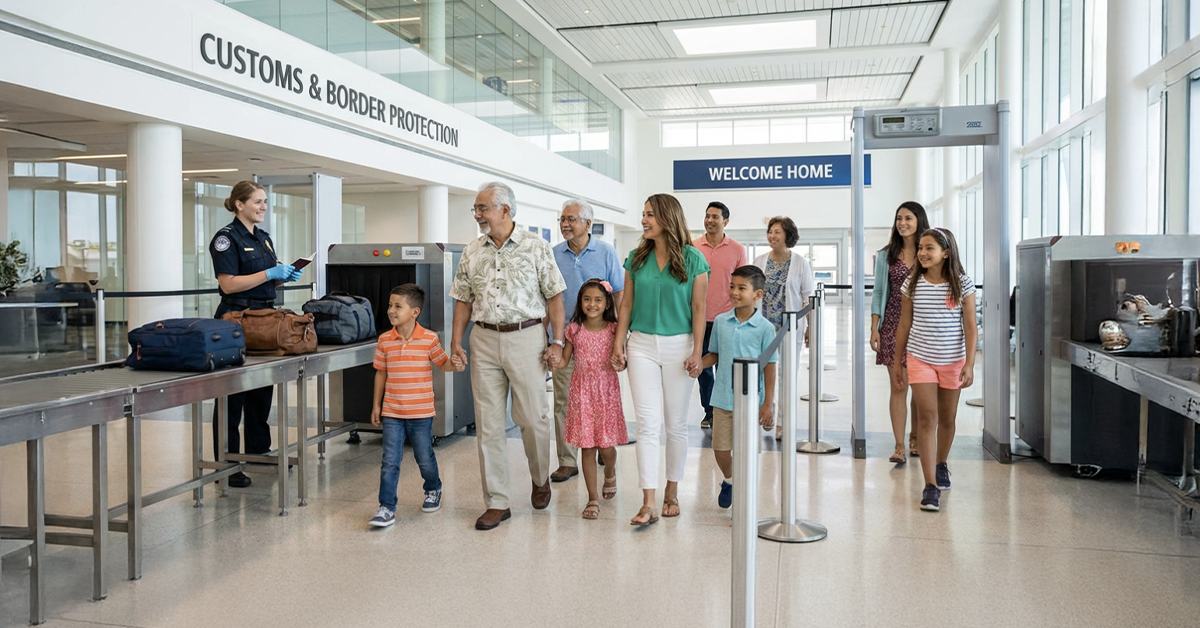
All passengers returning to the Port of Miami must complete U.S. Customs and Border Protection (CBP) screening. This process ensures that travelers comply with customs regulations and declare any required items.
Here’s what to expect:
- Have your travel documents ready—typically your passport or government‑issued ID.
- Follow signage and staff instructions as you move through the terminal.
- Declare any items that require disclosure, such as large purchases, alcohol, or agricultural products.
- Use automated kiosks if your cruise line and citizenship status qualify.
The screening process is usually quick, especially for travelers who have their documents ready and follow instructions. CBP officers are trained to keep the lines moving while ensuring compliance with federal regulations.
If you’re traveling with mobility devices or medical equipment, simply let the officers know—they’re accustomed to assisting travelers with a wide range of needs.
Now, let’s look at navigating the terminal after disembarkation.
Once you’ve cleared customs, you’ll enter the arrivals area of your terminal. This space is designed to help you transition smoothly from ship to shore, with clear signage directing you to:
- Luggage claim
- Ground transportation
- Rideshare pick‑up zones
- Taxi stands
- Parking garages
- Shuttle services
Port staff are stationed throughout the area to answer questions and help guide you to the correct location.
If you used traditional luggage collection, you’ll retrieve your bags from the color‑coded section that matches your disembarkation group. Porters are available to assist with luggage and can help transport your bags to your vehicle or transportation service.
Finally, let’s talk about planning your transportation home.
One of the best ways to reduce stress on disembarkation day is to plan your transportation ahead of time. Whether you’re heading to the airport, returning to your hotel, or driving home, knowing your next step makes the transition much smoother.
If you’re flying out of Miami International Airport, allow plenty of time between disembarkation and your flight. Most cruise lines recommend booking flights no earlier than 11:30 a.m. to ensure you have enough time to clear customs, collect your luggage, and travel to the airport.
Taxis, rideshares, and private shuttles are all available at the port, and the trip to the airport typically takes 20 to 30 minutes depending on traffic.
If you parked in one of the port’s official garages, simply follow the signs to your parking area. Elevators and walkways make it easy to reach your vehicle, even with luggage.
Designated pick‑up zones are located outside each terminal. These areas are clearly marked and monitored by port staff to keep traffic flowing.
Many hotels and transportation companies coordinate pick‑ups at the port. Confirm your meeting point in advance to avoid confusion during busy disembarkation periods.
Disembarkation doesn’t have to feel rushed or overwhelming. Here are a few tips to make the process smoother:
- Pack your carry‑on the night before with essentials like medications, documents, and valuables.
- Have your travel documents ready before you reach customs.
- Listen for announcements and follow crew instructions—they’re there to help.
- Choose the disembarkation option that best fits your schedule and comfort level.
- Plan your transportation ahead of time to avoid last‑minute decisions.
With a little preparation, your return to Miami can be just as smooth and enjoyable as your departure.
Thank you for joining us for Episode 6 of Cruise Smart Miami. In our next episode, we’ll highlight the best pre‑ and post‑cruise experiences in Miami, from beaches and dining to cultural districts and curated VisitorTreks.
To learn more about planning your Florida adventures, visit VisitFloridaGuide.com.
Cruise Smart Miami: What to Expect When Your Cruise Returns to Miami
Disembarkation marks the final stage of your cruise journey, and while it can feel busy, the process is designed to be organized, predictable, and efficient. The Port of Miami handles thousands of returning passengers every day, and understanding what to expect helps you transition smoothly from ship to shore.
This guide walks you through the disembarkation process, luggage options, customs screening, navigating the terminal, and planning your transportation home.
Key Focus Points
- Disembarkation is a structured, step‑by‑step process designed to move thousands of passengers safely and efficiently.
- Travelers can choose between self‑assist disembarkation or traditional luggage collection.
- Customs and Border Protection screening is required for all passengers returning to Miami.
- Planning your transportation ahead of time makes your return to the port much easier.
Understanding the Disembarkation Process
Disembarkation typically begins early on the final morning of your cruise. Cruise lines coordinate closely with the Port of Miami and U.S. Customs and Border Protection to ensure passengers exit the ship safely and efficiently.
Announcements guide you through each step, and crew members are stationed throughout the ship to assist and answer questions. While timing varies by cruise line and itinerary, most ships begin calling groups between 7:00 and 8:00 a.m.
A smooth experience comes down to preparation: knowing which disembarkation option you’ve chosen, having your documents ready, and understanding the flow from ship to terminal.
Self‑Assist vs. Traditional Luggage Collection
Cruise lines generally offer two disembarkation options, each suited to different travel needs.
Self‑Assist Disembarkation
Self‑assist is ideal for travelers who want to leave the ship early or who have morning flights. With this option, you keep all your luggage with you and carry it off the ship yourself. Because you’re not waiting for your bags to be sorted and delivered to the terminal, you’re typically among the first groups allowed to disembark.
This option works best if you’re comfortable handling your own luggage and navigating elevators or stairs with your bags. It’s a popular choice for experienced cruisers and travelers with tight schedules.
Traditional Luggage Collection
If you prefer a more relaxed morning, traditional luggage collection may be the better option. The night before your cruise ends, you place your checked luggage outside your stateroom with color‑coded tags provided by the cruise line. Crew members collect the bags, sort them by group, and transport them to the terminal.
The next morning, you wait for your group to be called, then disembark and retrieve your luggage in the terminal. This option is ideal for travelers who want a slower pace or who have larger bags that are difficult to carry.
Both options are efficient, and cruise line staff are available to help if you have questions or need assistance.
Customs and Border Protection Screening
All passengers returning to the Port of Miami must complete U.S. Customs and Border Protection (CBP) screening. This process ensures compliance with customs regulations and proper declaration of required items.
Here’s what to expect:
You’ll present your travel documents—typically a passport or government‑issued ID. You’ll follow signage and staff instructions as you move through the terminal. You’ll declare any items that require disclosure, such as large purchases, alcohol, or agricultural products. Automated kiosks may be available depending on your cruise line and citizenship status.
The screening process is usually quick, especially for travelers who have their documents ready and follow instructions. CBP officers are trained to keep lines moving while ensuring compliance with federal regulations.
If you’re traveling with mobility devices or medical equipment, simply let the officers know—they’re accustomed to assisting travelers with a wide range of needs.
Navigating the Terminal After Disembarkation
Once you’ve cleared customs, you’ll enter the arrivals area of your terminal. This space is designed to help you transition smoothly from ship to shore, with clear signage directing you to:
- Luggage claim
- Ground transportation
- Rideshare pick‑up zones
- Taxi stands
- Parking garages
- Shuttle services
Port staff are stationed throughout the area to answer questions and help guide you to the correct location.
If you used traditional luggage collection, you’ll retrieve your bags from the color‑coded section that matches your disembarkation group. Porters are available to assist with luggage and can help transport your bags to your vehicle or transportation service.
Planning Your Transportation Home
One of the best ways to reduce stress on disembarkation day is to plan your transportation ahead of time. Whether you’re heading to the airport, returning to your hotel, or driving home, knowing your next step makes the transition much smoother.
If you’re flying out of Miami International Airport, allow plenty of time between disembarkation and your flight. Most cruise lines recommend booking flights no earlier than 11:30 a.m. to ensure you have enough time to clear customs, collect your luggage, and travel to the airport.
Taxis, rideshares, and private shuttles are all available at the port, and the trip to the airport typically takes 20 to 30 minutes depending on traffic.
If you parked in one of the port’s official garages, follow the signs to your parking area. Elevators and walkways make it easy to reach your vehicle, even with luggage.
Designated pick‑up zones are located outside each terminal. These areas are clearly marked and monitored by port staff to keep traffic flowing.
Many hotels and transportation companies coordinate pick‑ups at the port. Confirm your meeting point in advance to avoid confusion during busy disembarkation periods.
Tips for a Smooth Disembarkation
A little preparation goes a long way. Here are a few ways to make your return to Miami easier:
- Pack your carry‑on the night before with essentials like medications, documents, and valuables.
- Have your travel documents ready before you reach customs.
- Listen for announcements and follow crew instructions—they’re there to help.
- Choose the disembarkation option that best fits your schedule and comfort level.
- Plan your transportation ahead of time to avoid last‑minute decisions.
With thoughtful preparation, your return to Miami can be just as smooth and enjoyable as your departure.
MD Natural Care
Synerjis Adaptogen Pathway:

Travel Smart Supplements
Cruise Smart Miami Podcast series includes the following episodes:
- Introduction: Welcome to the Cruise Capital of the World
- Episode 1: Do’s and Don’ts for a Smooth Port Experience
- Episode 2: Transportation Options from Miami International Airport
- Episode 3: Parking, Drop‑Off, and Transportation Options
- Episode 4: Accessibility at the Port of Miami
- Episode 5: Safety, Security, and Boarding Procedures
- Episode 6: Disembarkation: What to Expect When Your Cruise Returns to Miami
- Episode 7: Pre‑ and Post‑Cruise Experiences in Miami
- Episode 8: About the Port of Miami