
Omega Ratio Balance Series:
Heart Doctors Speak Out
Episode 01: Your Omega Ratio Matters

Episode 01: Your Omega Ratio Matters
Transcript
Why Balancing Your Omega Ratio Matters
Welcome to The Omega Ratio Balance Podcast, brought to you by MD Natural Care, where natural wellness is backed by science. This episode is part of our ongoing series Heart Doctors Speak Out, where we explore what cardiologists want you to know about Omega 3.
If you’ve never heard of it, don’t worry. By the end of this episode, you’ll understand why the balance between Omega 6 and Omega 3 fatty acids could be the missing link in your wellness journey.
Here’s what you’ll learn in this episode:
• What the Omega ratio is and why it matters.
• How an imbalanced ratio drives chronic inflammation.
• The role of diet and environment in creating a 20 to 1 ratio.
• Why rebalancing to 4 to 1 is a slow but transformative process.
• How Omega Ratio Balance fits into a broader lifestyle strategy.
• Practical changes you can make today to support your health.
Let’s get into it.
The Omega ratio refers to the balance between Omega 6 and Omega 3 fatty acids in your body. Both are essential fats, meaning your body can’t produce them. You have to get them from your diet. But here’s the catch: while Omega 6 is pro-inflammatory, Omega 3 is anti-inflammatory. And when the ratio between them gets out of balance, inflammation takes over.
Historically, humans consumed these fats in a ratio close to 1 to 1 or 2 to 1. But today, the average American has a ratio of 20 to 1. That’s twenty times more Omega 6 than Omega 3. And that imbalance is linked to everything from heart disease and joint pain to mood disorders and metabolic dysfunction.
Let’s break it down further. Omega 6 fats are found in vegetable oils such as corn, soybean, and sunflower. They’re everywhere in processed foods: chips, crackers, salad dressings, frozen meals. Meanwhile, Omega 3, especially EPA and DHA, are found in fatty fish like salmon, sardines, and mackerel. Most people simply aren’t eating enough of those.
When Omega 6 dominates, your body produces more arachidonic acid, which fuels inflammatory pathways. That means more joint stiffness, more arterial plaque, more oxidative stress. Over time, this chronic inflammation becomes a silent engine behind heart disease, diabetes, and even cognitive decline.
So how do we fix it? The goal is to shift your Omega ratio closer to 4 to 1. That’s the sweet spot where inflammation is reduced, cardiovascular function improves, and your body starts to heal. But here’s the truth: it’s not a quick fix.
Rebalancing your Omega ratio is a slow, strategic process. It takes time for your cell membranes to incorporate new fatty acids. It takes consistency in your diet. And it takes awareness, because even healthy-looking foods can be loaded with Omega 6.
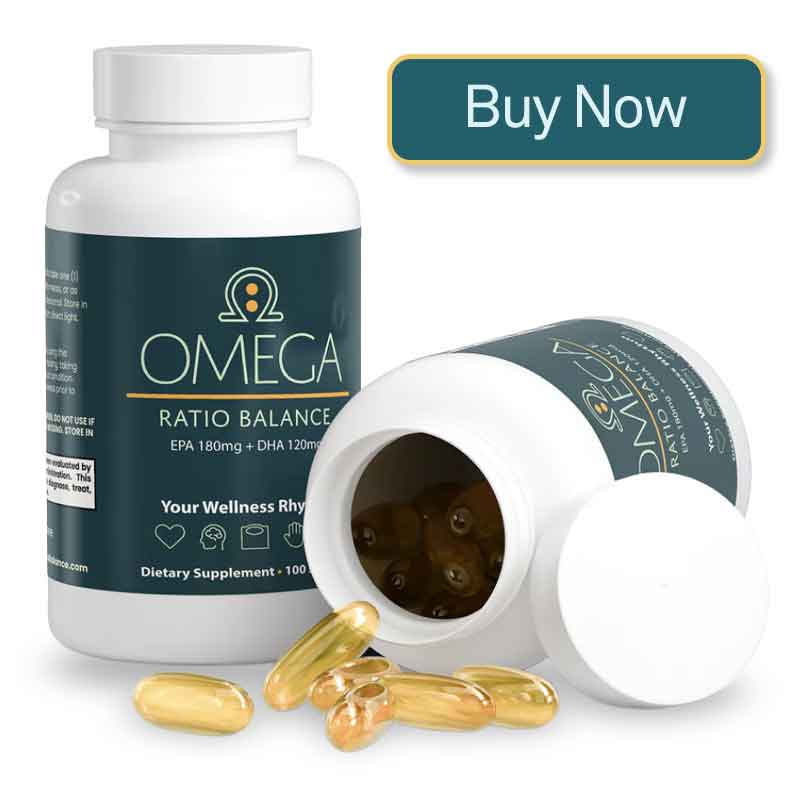
That’s why we created Omega Ratio Balance. It’s a pharmaceutical-grade Omega 3 supplement with optimal EPA and DHA ratios, designed to help you shift the equation. But this is important—it’s only part of the solution.
Taking Omega Ratio Balance daily is a powerful step. But if you’re still eating processed foods, deep-fried snacks, and vegetable oils, you’re fighting an uphill battle. The key is to pair supplementation with smart dietary choices.
Swap out seed oils for olive oil or avocado oil. Eat more wild-caught fish. Add chia seeds, flaxseeds, and walnuts to your meals. And read labels, because Omega 6 hides in places you wouldn’t expect.
Think of Omega Ratio Balance as your nutritional ally. It helps tip the scale toward anti-inflammatory healing. But the real transformation happens when you combine it with lifestyle changes that support your body’s natural balance.
Let’s be honest. Moving from a 20 to 1 ratio to 4 to 1 isn’t something you’ll feel overnight. It’s not like taking a painkiller or drinking a cup of coffee. This is deep, cellular work. It’s about changing the composition of your body’s fats—slowly, steadily, intentionally.
But here’s the good news: every step you take matters. Every Omega 3-rich meal and every choice to skip the processed snack all adds up. And over time, your body responds. Inflammation quiets down. Energy improves. Heart health stabilizes. You feel more resilient.
That’s the power of balance.
Thanks for joining me for this episode of the Omega Ratio Balance Podcast. If you found this helpful, share it with someone who’s ready to take control of their heart health. And if you’re ready to begin your journey, visit mdnaturalcare.com and order your bottle of Omega Ratio Balance today.
Until next time, stay balanced, stay informed, and stay well.
Understanding the 20:1 Problem—and How Omega Ratio Balance Supports the Solution
At MD Natural Care, we believe that heart health starts with informed choices. Omega-3 fatty acids—especially EPA (eicosapentaenoic acid) and DHA (docosahexaenoic acid)—are among the most researched nutrients in cardiovascular medicine. But it’s not just about how much Omega-3 you consume—it’s about the balance between Omega-3 and Omega-6 in your body. That’s what we call your Omega ratio, and it plays a critical role in inflammation, heart health, and long-term wellness.
Here’s why balancing your Omega ratio matters—and why Omega Ratio Balance is a powerful step in the right direction.
Five Key Reasons to Balance Your Omega Ratio
- The Standard American Diet Has an Omega Ratio of 20:1
- The Ideal Omega Ratio Is Closer to 4:1
- Chronic Inflammation Is Fueled by Omega-6 Dominance
- Omega Ratio Balance Helps Shift the Equation
- True Balance Takes Time, Strategy, and Consistency
The Standard American Diet Has an Omega Ratio of 20:1
Most Americans consume far more Omega-6 than Omega-3—often in a ratio of 20:1 or higher. Omega-6 fats are found in processed foods, vegetable oils, and packaged snacks. While Omega-6 is essential in small amounts, excess intake promotes inflammation, which contributes to heart disease, joint pain, and metabolic dysfunction. This imbalance is one of the most overlooked drivers of chronic illness in modern nutrition.
The Ideal Omega Ratio Is Closer to 4:1
Clinical research suggests that a 4:1 Omega-6 to Omega-3 ratio is optimal for reducing inflammation and supporting cardiovascular health. Some experts even recommend a 2:1 ratio for individuals with high-risk profiles. Achieving this balance isn’t about eliminating Omega-6 entirely—it’s about increasing Omega-3 intake while reducing processed food consumption. That’s where Omega Ratio Balance comes in.
Chronic Inflammation Is Fueled by Omega-6 Dominance
Excess Omega-6 fats activate pro-inflammatory pathways in the body, including the production of arachidonic acid and inflammatory cytokines. Over time, this can lead to arterial damage, elevated blood pressure, and increased risk of arrhythmias. Balancing your Omega ratio helps calm these pathways, supporting smoother blood flow, healthier arteries, and more stable heart rhythms.
Omega Ratio Balance Helps Shift the Equation
Our Omega Ratio Balance supplement is crafted with pharmaceutical-grade purity and optimal EPA/DHA ratios to help restore equilibrium. It’s a concentrated source of Omega-3s designed to counteract the excess Omega-6 in your diet. But it’s important to understand: supplementation alone isn’t enough. True balance requires dietary changes, consistency, and time.
True Balance Takes Time, Strategy, and Consistency
Shifting your Omega ratio from 20:1 to 4:1 doesn’t happen overnight. It’s a gradual process that depends on sustained Omega-3 intake, reduced consumption of processed Omega-6-rich foods, and ongoing lifestyle adjustments. Think of it as nutritional rebalancing—not a quick fix. That’s why we encourage pairing Omega Ratio Balance with whole-food choices, anti-inflammatory habits, and regular check-ins with your healthcare provider.
MD Natural Care: Your Partner in Omega-3 Excellence
At MD Natural Care, we’re committed to helping you take control of your heart health with clarity and confidence. Omega Ratio Balance is more than a supplement—it’s a strategic tool in your journey toward better cardiovascular function, reduced inflammation, and long-term vitality.
Whether you’re managing specific risk factors or simply investing in lifelong wellness, MD Natural Care offers a trusted, science-backed solution.
The Race to Wellness Is Not a Sprint
Balancing your Omega ratio is one of the most impactful steps you can take for your heart. It’s a journey of small, intentional choices that add up to lasting change.
MD Natural Care
Omega Ratio Balance Series:
Heart Doctors Speak Out Podcast series includes the following episodes:
- Episode 00: Heart Doctors Speak Out Introduction
- Episode 01: Why Balancing Your Omega Ratio Matters
- Episode 02: Cardiologist Recommend Omega-3 for Heart Health
- Episode 03: Omega-3 Helps Naturally reduce Trigliycerides
- Episode 04: Help Protect your Arteries from Plaque
- Episode 05: How Omega-3 Targets Root Causes of High Blood Pressure
- Episode 06: Omega-3 Helps Reduce Irregular Heart Beat
The Omega Ratio Balance Podcast Series is presented by: MD Natural Care, makers of the Omega Ratio Balance Supplement.
Discover Your Natural Wellness Rhythm