
Omega Ratio Balance Series:
Think Sharp, Live Smart
Episode 01: The Brain’s Nutritional Blueprint
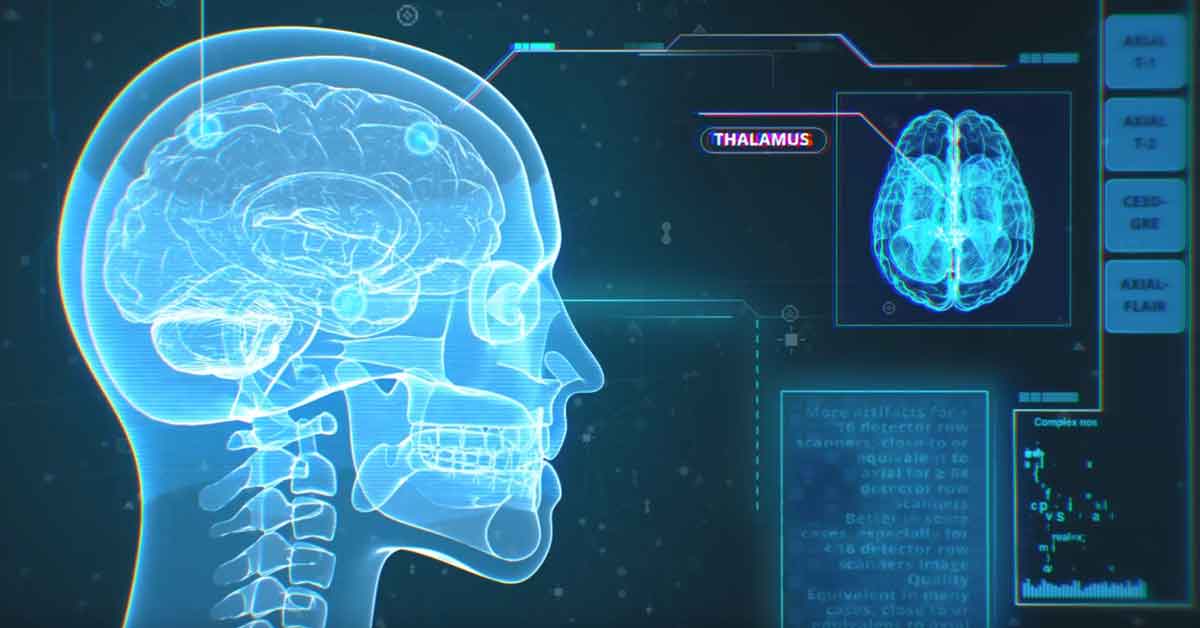
Episode 01: The Brains Nutrional Blueprint
Transcript
The Brain’s Nutritional Blueprint
Welcome to The Omega Ratio Balance Podcast, brought to you by MD Natural Care—where natural wellness is backed by science. This episode is part of our ongoing series, Think Sharp, Live Smart, where we explore what neuroscientists want you to know about Omega-3 and cognitive performance.
Today’s shorter episode is all about the brain’s nutritional blueprint—how Omega-3 fatty acids shape the architecture of your brain and influence how it thinks, adapts, and performs.
Here’s what you’ll learn in today’s episode:
• Why the brain is nearly 60% fat—and why that matters
• How DHA and EPA support neuronal membranes and signal transmission
• What neuroplasticity is and how Omega-3 promotes it
• Why lipid composition affects learning, memory, and adaptability
• How Omega Ratio Balance restores the brain’s biochemical foundation
Let’s start with the basics. The human brain is composed of nearly 60% fat by dry weight. That’s not a flaw—it’s a design feature. Fats form the membranes that surround every neuron, and the quality of those fats determines how well your brain functions.
Among these fats, DHA—docosahexaenoic acid—is the most critical. It makes up over 90% of Omega-3 in the brain and retina. DHA integrates into the phospholipid bilayer of neurons, improving membrane fluidity. That fluidity is essential for fast signal transmission, receptor sensitivity, and efficient communication between brain cells.
EPA—eicosapentaenoic acid—plays a complementary role. While it’s less concentrated in brain tissue, EPA helps regulate inflammation and supports vascular tone, which indirectly benefits cognition by improving blood flow and reducing oxidative stress.
Now let’s talk about neuroplasticity. This is the brain’s ability to form new connections, adapt to new information, and recover from injury. Neuroplasticity depends on lipid composition. Omega-3 promotes dendritic branching and synaptogenesis—two processes that are essential for learning and memory.
When Omega-3 levels are low, membranes become rigid, synaptic density declines, and cognitive performance suffers. In fact, studies show that individuals with low DHA levels have significantly reduced hippocampal volume—a key region for memory formation.
So how common is Omega-3 deficiency? According to NHANES dietary surveys, over 70% of Americans have an improper Omega balance. Children with low DHA levels score lower on cognitive and behavioral assessments. And older adults with higher Omega-3 intake show 20–30% slower rates of cognitive decline.
That’s where Omega Ratio Balance comes in. It’s formulated to restore the brain’s nutritional blueprint. Each softgel delivers high-purity DHA and EPA in a clinically calibrated ratio—designed to support both structural integrity and mood regulation.
We use triglyceride-form of Omega-3, which offer 70% greater absorption than ethyl ester forms. That means more of what your brain needs actually gets delivered. And every batch is third-party tested for purity, potency, and oxidation stability.
Let’s recap. Omega-3 is essential for brain health. They shape the architecture of your neurons, regulate how your brain communicates, and support its ability to learn, adapt, and recover. Omega Ratio Balance helps restore what modern diets have lost—giving your brain the structural support it needs to thrive.
Whether you’re focused on learning, memory, or long-term cognitive resilience, this formula offers a smarter, science-backed way to nourish your mind.
Thanks for tuning in to The Omega Ratio Balance Podcast. If this episode helped you rethink your approach to brain health, share it with someone who’s ready to take the next step. And if you’re ready to begin your journey, visit mdnaturalcare.com and order your bottle of Omega Ratio Balance today.
Until next time, stay sharp, stay informed, and stay well.
Rebuild Neuronal Structure. Enhance Signal Transmission. Support Lifelong Cognitive Resilience.The human brain is a lipid-dense organ—nearly 60% fat by dry weight—and its performance depends heavily on the quality of those fats. Among the most critical are Omega-3 fatty acids, especially DHA (docosahexaenoic acid), which makes up over 90% of the Omega-3 content in the brain. These fats aren’t just structural—they’re functional. They shape how neurons communicate, how memories form, and how the brain adapts to stress, aging, and experience.
Modern diets, however, are failing the brain. With Omega-6 to Omega-3 ratios exceeding 15:1 in most Western populations, the delicate lipid balance required for optimal brain function is severely disrupted. This imbalance contributes to neuroinflammation, impaired neurotransmission, and reduced neuroplasticity. Omega Ratio Balance is designed to restore the brain’s nutritional blueprint—delivering high-purity DHA and EPA in clinically effective ratios to rebuild cognitive infrastructure from the inside out.
Why Fatty Acids Matter for Brain Health
Omega-3s are not optional—they’re biologically essential for brain development, maintenance, and repair.
- DHA accounts for 97% of the Omega-3s in the brain and is the dominant structural fat in neuronal membranes. It enhances membrane fluidity, which improves receptor sensitivity and signal transmission.
- EPA plays a complementary role, regulating inflammation and supporting vascular tone, which indirectly benefits cognition by improving blood flow and reducing oxidative stress.
- Low Omega-3 status is linked to cognitive decline. A 2020 study in Frontiers in Aging Neuroscience found that individuals with low DHA levels had significantly reduced hippocampal volume—a key region for memory formation.
The Role of Cell Membranes and Synaptic Plasticity
Neurons communicate through synapses, and the quality of those connections depends on membrane composition.
- Phospholipid bilayers enriched with DHA allow for rapid electrical signaling and efficient neurotransmitter exchange.
- Neuroplasticity—the brain’s ability to adapt and learn—is lipid-dependent. Omega-3s promote dendritic branching and synaptogenesis, which are essential for memory consolidation and cognitive flexibility.
- Inadequate Omega-3 intake reduces synaptic density, slowing down information processing and impairing learning capacity.
The Cost of Deficiency
The consequences of poor lipid composition are measurable—and reversible with targeted intervention.
- Over 70% of Americans are deficient in Omega-3s, according to NHANES dietary surveys.
- Children with low DHA levels score lower on cognitive and behavioral assessments, including attention span and working memory.
- Older adults with higher Omega-3 intake show 20–30% slower rates of cognitive decline, according to longitudinal studies published in Neurology and The American Journal of Clinical Nutrition.
Why Omega Ratio Balance Works
Generic fish oils often miss the mark—delivering low doses, poor absorption, and imbalanced ratios. Omega Ratio Balance is different.
- High-purity DHA and EPA in a clinically calibrated ratio to support both structural integrity and mood regulation.
- Triglyceride-form Omega-3s for 70% greater absorption compared to ethyl ester forms.
- Third-party tested for purity, potency, and oxidation stability, ensuring every dose supports brain health without compromise.
Rebuild Your Brain from the Inside Out
Omega-3s are the foundation of cognitive resilience. They shape the architecture of your brain, regulate its chemistry, and protect it from the wear and tear of daily life. Omega Ratio Balance helps restore what modern diets have lost—giving your brain the structural support it needs to thrive.
Whether you’re focused on learning, memory, or long-term neurological health, this formula offers a smarter, science-backed way to nourish your mind.
MD Natural Care
Omega Ratio Balance Series:
Think Smart, Live Smart Podcast series includes the following episodes: